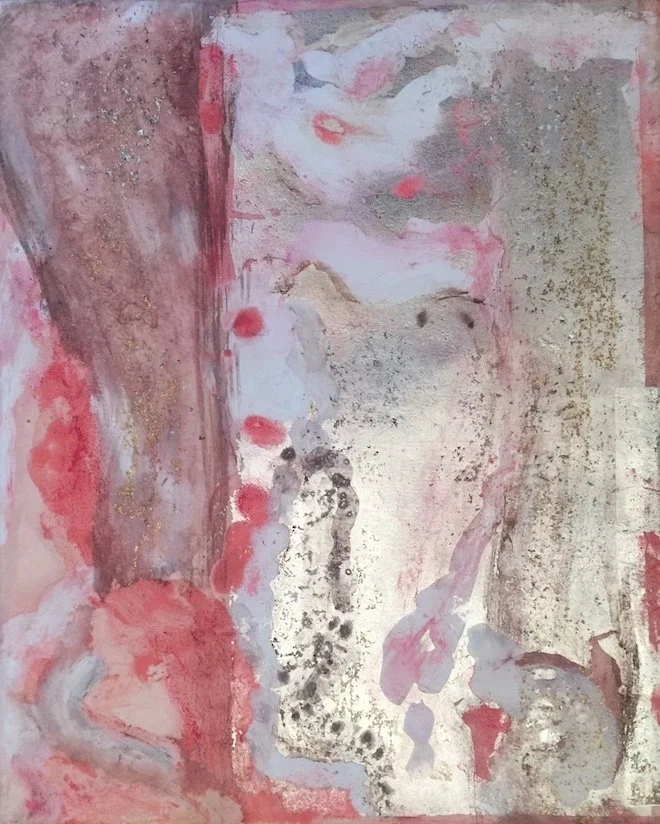
nihonga
Nihonga painting uses traditional Japanese techniques and mostly non-toxic, ecological, natural materials: mineral and oyster shell pigments, insect cochineal, plants like indigo, sumi ink, animal hide glue, and metal leaf. I’m interested in Asian art, design, and meditative traditions and strongly connected to nature, so I was delighted to find this medium. I was awarded the 2015 Tip Coleman Scholarship and began creating Nihonga paintings at Judith Kruger's Nihonga and Beyond Workshop.
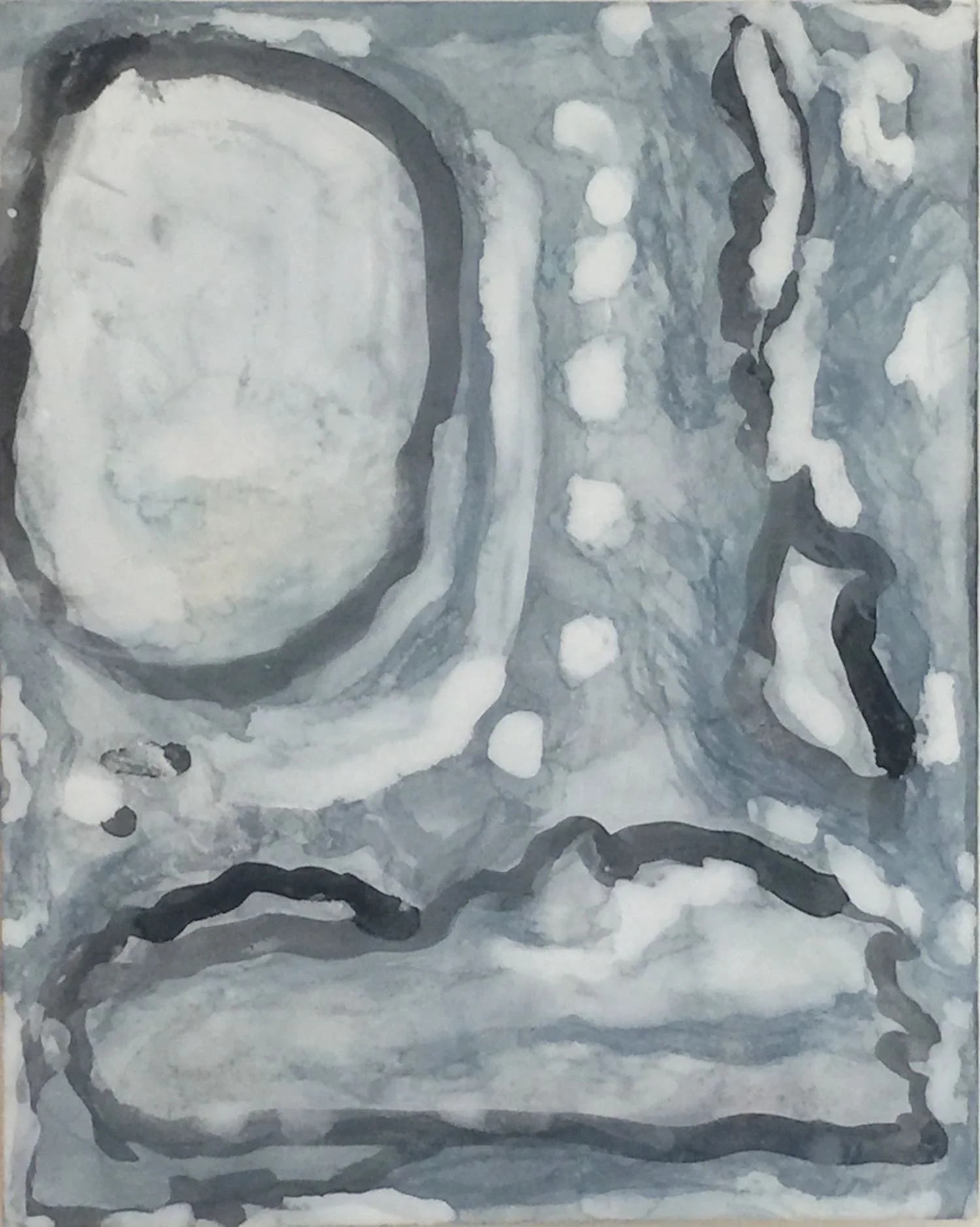
Floating on Air. 2015. indigo, sumi ink, and oyster shell pigment on Kumohadamashi paper mounted on panel. 10" x 8" x 0.75".
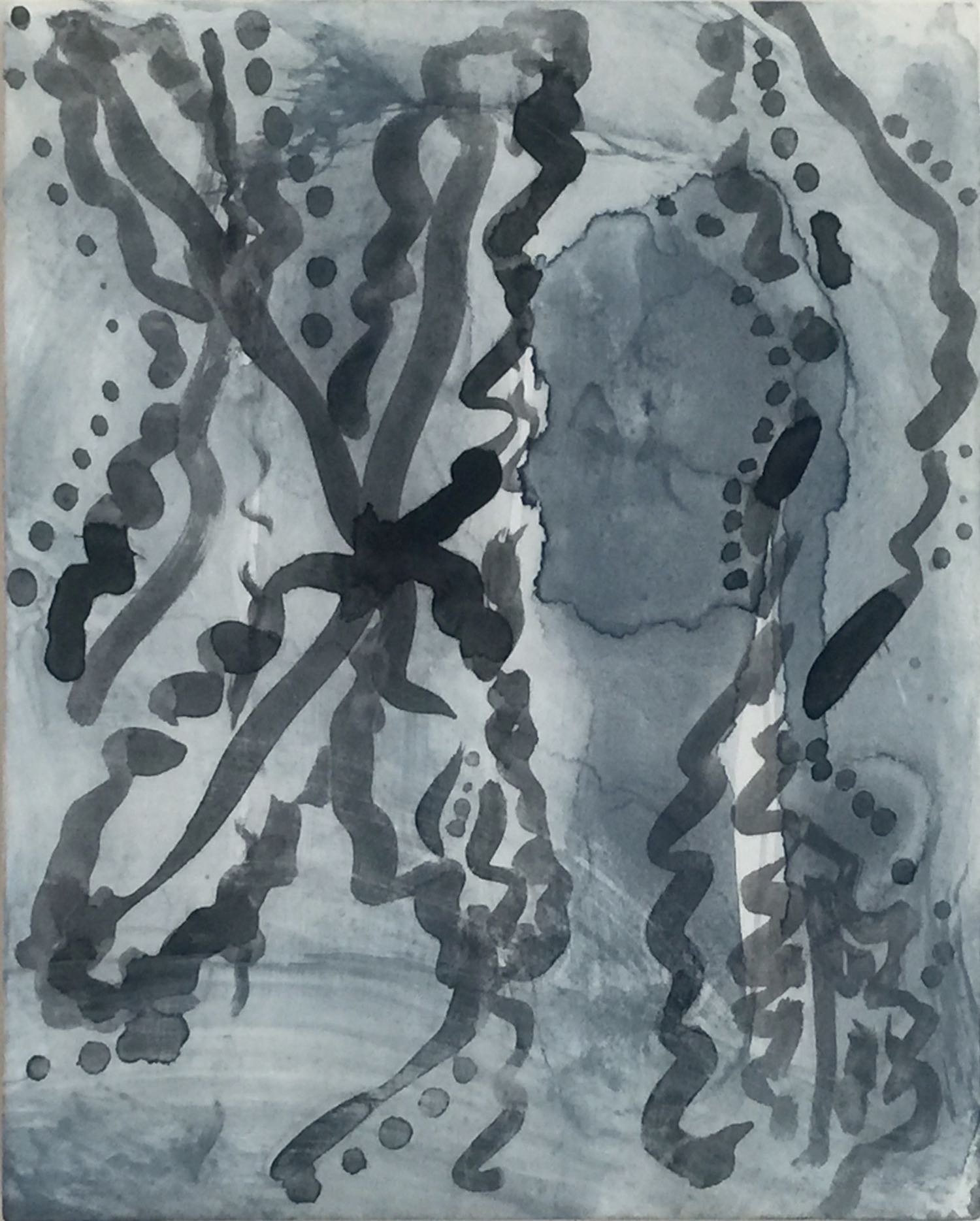
Vegetal. 2015. sumi ink, indigo, and oyster shell pigment on Kumohadamashi paper mounted on panel. 10" x 8" x 0.75".
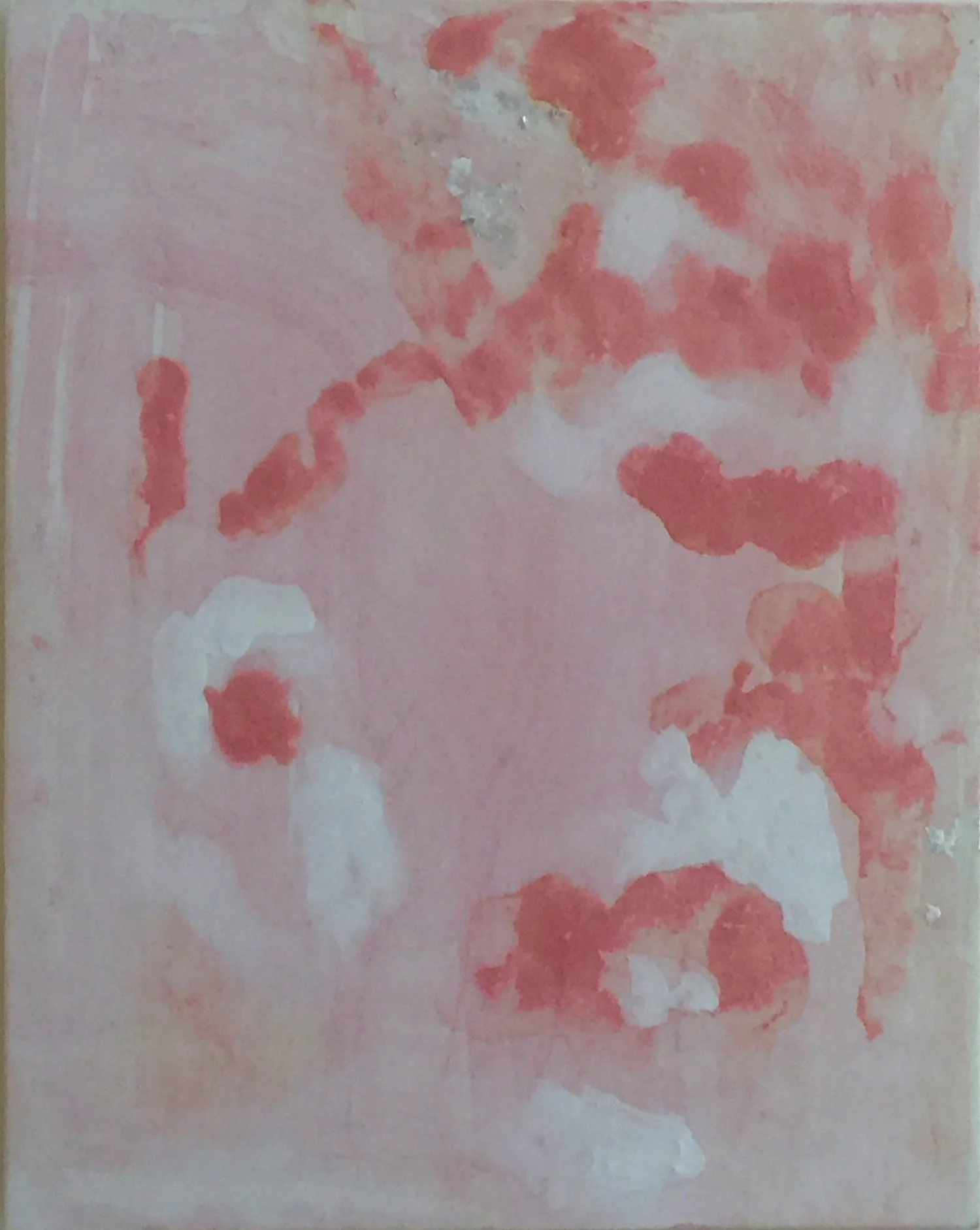
Everything Is Always Changing. 2015. mineral and oyster shell pigments and Japanese silver leaf on Kumohadamashi paper mounted on panel. 10" x 8" x 0.75".
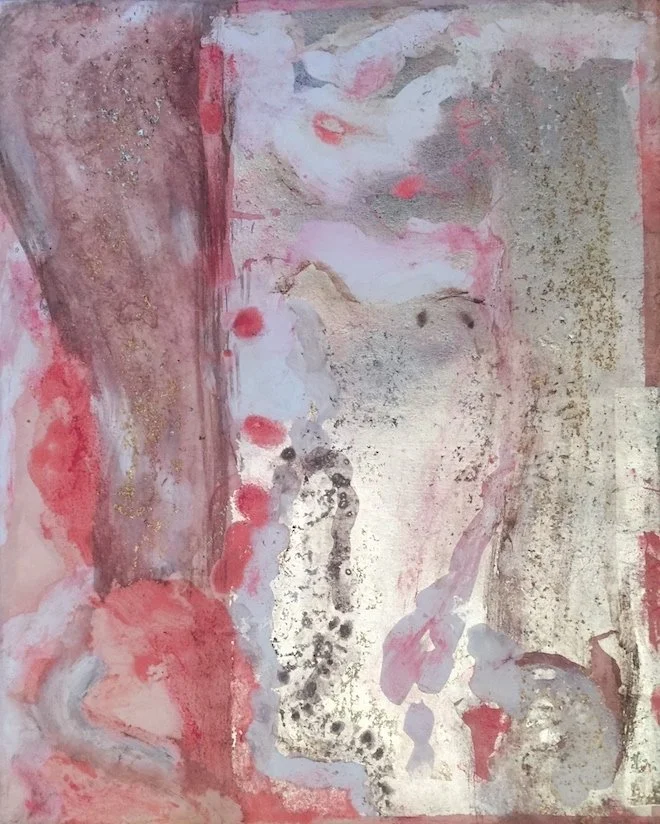
Light and Water: Spring Waterfalls. 2015. mineral pigment, oyster shell pigment, Japanese silverleaf, and imitation goldleaf on Kumohadamashi paper mounted on canvas 10" x 8" x 0.75".
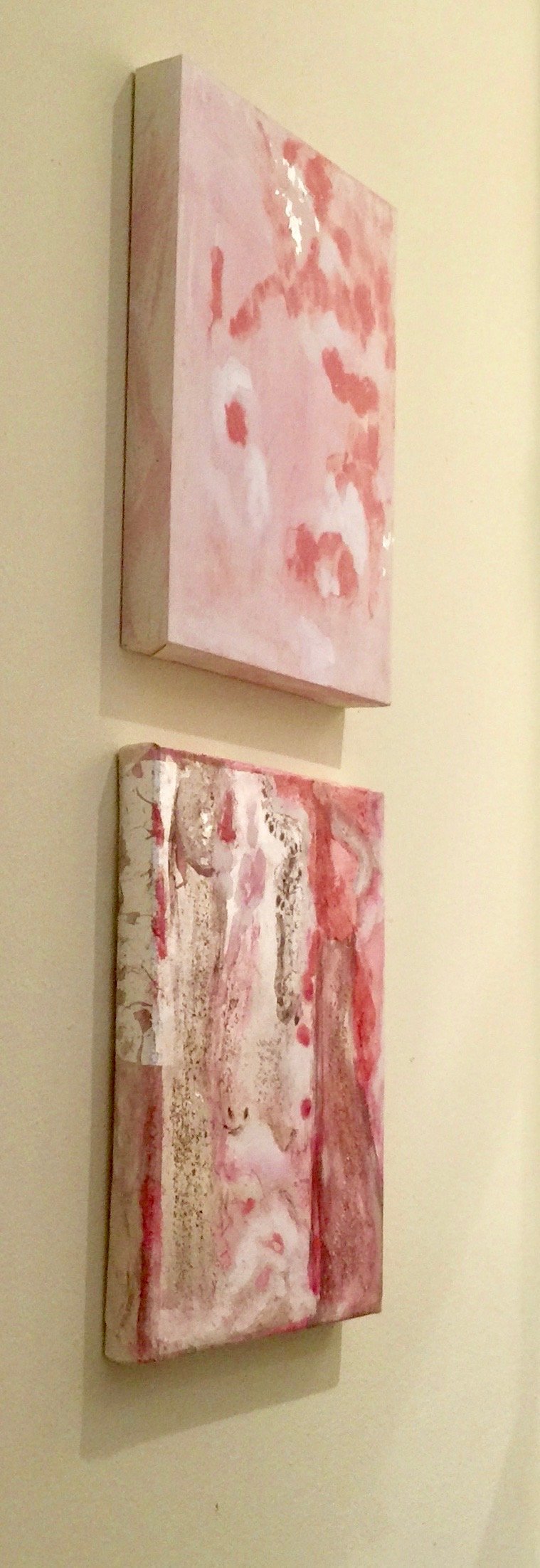
side view of Everything Is Always Changing and Spring Waterfalls
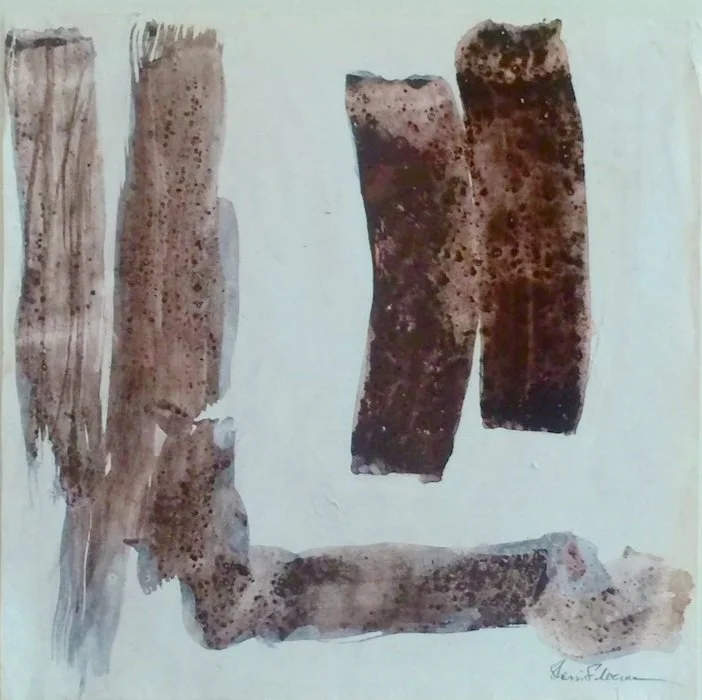
From Silence, Without Thought. 2015. mineral & oyster shell pigments on Kumohadamashi paper. 12.66" x 12.66".
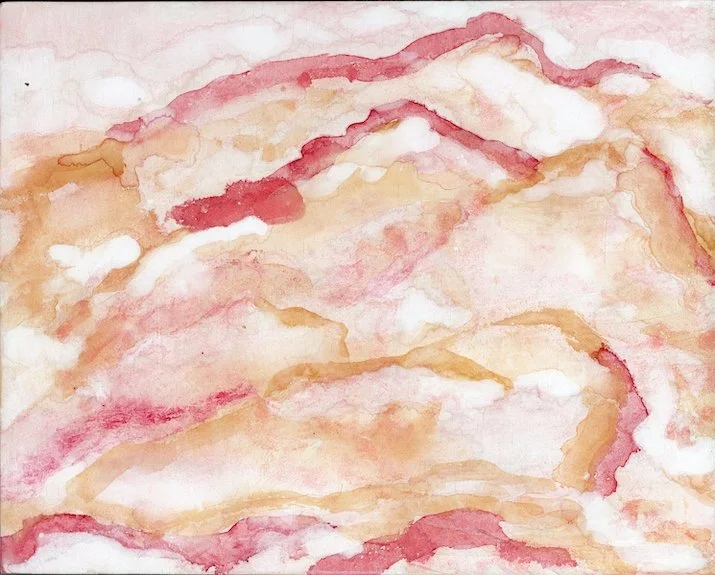
They Are All Inner Landscapes. 2015. oyster shell and Japanese mineral pigments on panel. 8" x 10" x .75".
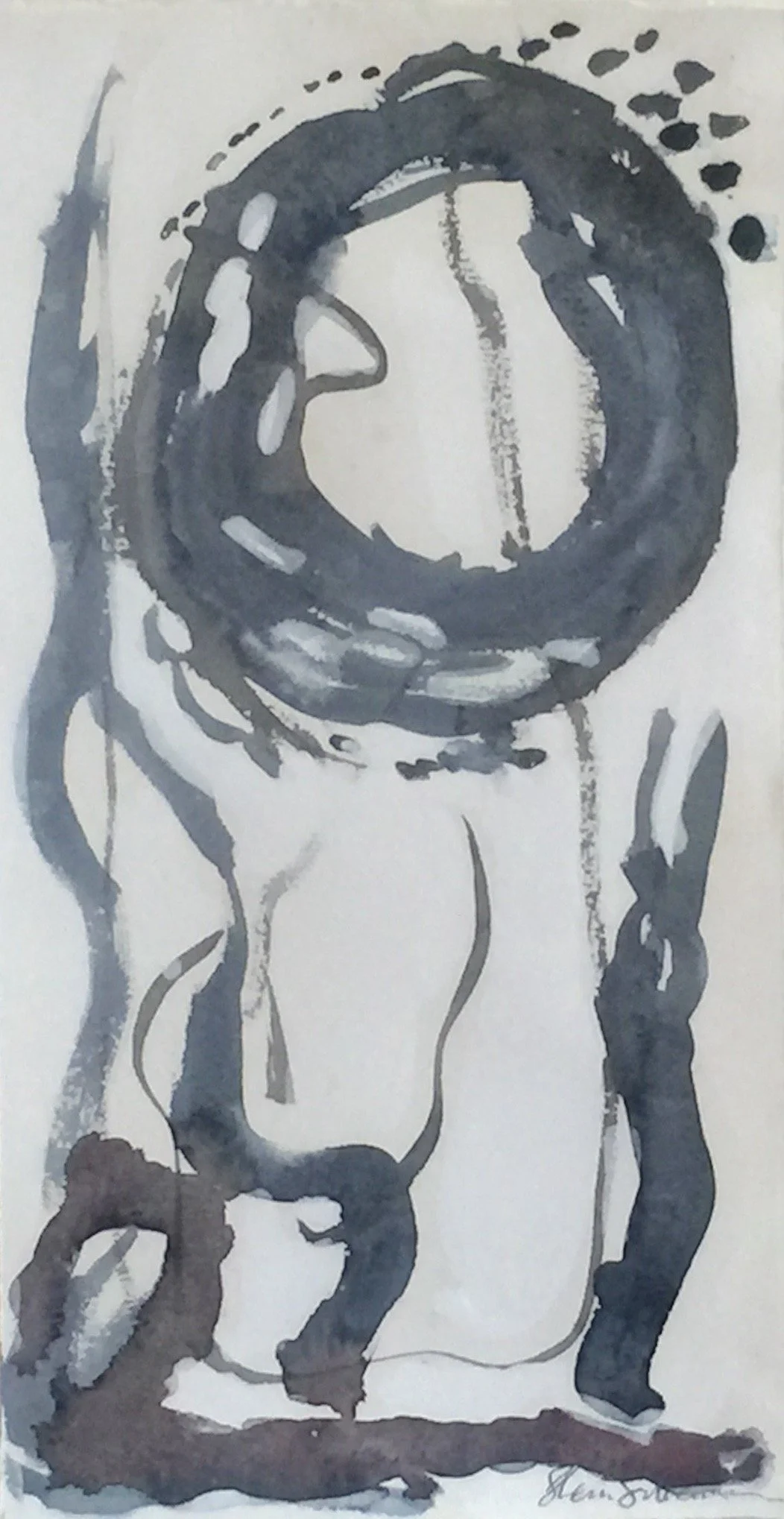
Birth. 2015. sumi ink, cochineal, indigo, and oyster shell pigment on Arches Cover paper. Private collection, San Francisco, CA. 14" x 7.25".
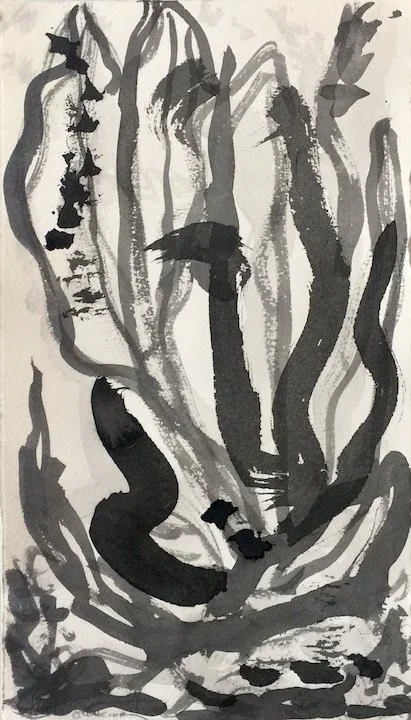
Ki. 2015. sumi ink on Arches Cover paper. 12.75" x 7".